
Stewart Hahn is a musician and producer based in Washington, DC, and Monologuer is his solo project. Hahn mentions: “I've been playing drums for most of my life, in a series of a few bands— most recently a now-defunct DC-based band called the Ferns.” Under The Moon is his first release of a three-part series.
The first song is called “Bible” and starts off with arpeggiated synths. Right off the bat the lyrics are dramatic and poetic. Hahn sings “A part of me is dead and you killed it / I’m thrilled that you think that you’re doing what’s best / but are you aware of what you take with you / and what you leave behind.” The mood and theme felt like a mix of coming of age lamenting and an optimism about the future. Musically, this sounded similar to a band like The Postal Service to my ears. “Stasis” is a clear shift in genre. There’s a synth bass, drums and sheets of fuzz from a guitar. The genre is much more jazz influenced but the production incorporates a contemporary sound. I liked the synth on this song. The vocals are much more relaxed and loose on this song which I preferred. “Magic” is the highlight. This song has a great hook, is infectious and accessible. It’s the most pop-oriented track but Hahn really sounds natural here. He seems to have fun with the vocal performance even on the more melancholy moments when he questions almost everything he’s doing. The title track “Under The Moon” had some cool production. I thought the song sounded more atmospheric and otherworldly. There are some interesting builds and inventive production. My only critique is I wanted to hear some more organic instrumentation. It did feel like I was listening to a lot of virtual instruments. I wouldn’t say anything major but just a little more of balance between organic and virtual instruments. These songs are showing different sides to his talent, not a signature sound. That’s not a bad thing for an initial release but in my opinion the style and genre where he excelled was on the song “Magic.” Overall, this is a strong release and certainly points to an artist with talent.
0 Comments
Kaitlin Bell was raised in Seattle and moved to Portland in 2019 for college. She started writing and playing guitar when she was eight, but explains she really began to take music seriously when she was seventeen. Either way in my opinion she is still at the very beginning of her musical career. I myself was in college for music about twenty years ago and I still feel like there is always more to learn and pursue.
Welcome To My Mind is a good title for the songs. The songs deal with the standard and normal things young people deal with when growing up and come of age. “Blue” is first and is made up of strummed minor and major chords, vocals and a little bit of lead guitar. The focus really falls on the lyrics and her wonderful vocal performance. “You Don’t Owe My Anything” deals with a classic turbulent relationship of young love. What’s funny or interesting to me are the lines where she is waiting for the person to text. This topic is timeless but the technological aspect is novel. If this song came out when I was her age it would have been about waiting for a phone call not a text. Love it. “Still Thinking About That Crash” is a melancholy ballad of sorts with picking and strumming on the guitar. “Paint Me” and “Pretend Love” stay similar in terms of the music. “Let Go” had some memorable melodies and thought this was a great vocal performance. “Portland Sun'' laments about negative emotion but also has a cathartic quality. Last up is “You’re Me” which has some solid lead guitar and more solid vocals and fantastic lyrics. The songs are well written but my main critique is wanting to hear some more instrumentation throughout the album. There’s not much going on besides the strumming of mostly minor and major chords and occasionally lead which sounded great but some piano, drums, etc. might have helped with the dynamics and energy on at least a couple of songs. Overall, I thought this is a very solid foundation for a young and upcoming artist. She puts a lot of emotion into her songs which you can feel in your heart and think a lot of people especially around her age range will be able to relate to her sentiment.
ZOMBIFY started doing music back in 2014 under a different alias called Stop DMC. On his recent release Lovecraft & Heartbreak he states that he was more inspired by goth and post-punk which influenced the release.
The album starts with “DIscovery'' and almost instantly I recognized how much louder the vocals were than the music. They were so loud that the music was hard to find. The vocals are somewhere between talking and rapping. Musically, there’s a post-punk type thing going on. The music is dynamic and with some memorable melodies. “What Haunts You” the music has similarities to Joy Division but more electronic. “Devilstar” is a gloomy post-punk infused song while “Lovecraft” has elements of new wave. “Heartbreak” and “Other Side Of Hollywood'' have their moments as well. There are some lyrics from “Heartbreak”that drip with goth imagery. “This is my heart / The day it was broken / Lost my mind / With words unspoken / Still remember / The look on your face / The is my heart It doesn't beat, it breaks.” The album continues with a very familiar style from the previous songs on “For What It's Worth” and “Let It Go.” As an engineer myself I was confused at how much louder the vocals were than the music. I really had a tough time hearing the music. The mix of the instruments isn’t bad but it is so soft comparatively. This is by far the number one critique of the album. I liked the style of these songs and the artist has a unique and versatile way of delivering his vocal melodies. I wouldn’t say he’s rapping but he does have a cadence when it comes to how he sings. The music seemed to mix elements of Joy Division, The Cure and other post-punk inspired bands with a more contemporary style. There are some solid ideas here. I think working with an engineer would take his music to the next level and I look forward to hearing where he goes from here.
Volfodemo is a new wave/synth pop duo based out of West London, made up of Mancha Zaar and Suteki Hegg. The two created this project during the first lockdown in 2020 and recently got their first radio broadcast on Vdub Radio during DJ Lainey’s 7p.m. showcase this past August. DJ Lainey is quoted as saying, “To me that kind of reminds me of Sister of Mercy, something of that vibe. Congratulations. Nice bass line and beat. Love that bass.” The band’s debut EP Nightburn, consisting of four tracks, was self-produced, engineered, mixed and mastered by Mancha Zaar in London at his home. The recording and the band’s music in general is a celebration of the various facets of life. Nightburn explores different genres from blues to synth-pop, ’80s cold wave, drum and bass.
To begin the EP’s title track “Nightburn” starts with an organ like synth, then forceful driving drums come in and low, droning bass riff. Bandmates Zarr and Hegg’s voices sound like they were made for each other and, like the quote stated earlier, yeah, I’m instantly reminded of Sister of Mercy. But there are elements of other musical styles imbedded here, too. If I were to compare other past groups, other than the Sisters, I would say throw in some Kraftwerk, Rammstein (but less heavy metal), Joy Division (heavy on the synths) and the darker goth edges of the Cure perhaps. Anyway, moving on to “Old Cycle” you’ll hear more of that dark wave/goth vibe and a great rhythm section driving everything. The guitar part, or was it a synth, adds to the nervous intensity and spirit of this song. “Stargaze” has a mix of post-punk, dark wave and this spooky organ/merry go-round sound on the synth. There are also some added electronic organ parts and plenty of heavy double bass thumping. This was a very tense number no doubt. Last up is “Halt” and it starts with a fantastic sound of “horror flick synths” and great guitar textures – both heavy and light (mostly heavy). There are also some thick, syrupy bass lines as well. I think this last song was my favorite. I highly recommend listening to this one for sure. Because this was a short EP, I had to give it a second listen. I’ll say that if you’re a fan of dark music, dark new wave, synths and the other bands mentioned, you’ll be wanting to hear more from this London duo. Make sure to check out the single "Body of Metal" as well.
Singer/songwriter/guitarist/mandolinist Rob Morrison founded New York-based quartet The Booklights back in 2014. The band, which includes Lauren Molina (cello), Rachel Green (fiddle) and Benny Elledge (percussion) used 2020 to remotely record their debut EP, the five-track Into a Ball.
They call themselves a “futuristic Americana” group, which isn’t a bad generalization. Their instrumentation--acoustic guitars, mandolins, strings and non-drum kit percussion--gives the sound a definite Americana base. But they’re not just another foot-stomping jug band. The rich vocal harmonies they’ve layered on top are more ‘70s golden-era pop than folk. Further, each of the five tracks blends their Americana roots with a different genre, giving the listener a nice variety while still maintaining an album-level coherence. The opener “Waywiser” uses a pounding bass drum and string parts to give it a down-home folk feel. The Booklights give it their own spin with country-like vocal harmonies, slide guitar parts and some other sound effects that might reveal hidden meanings if played backwards. Later in the track, there’s some great vocal call-and-response, in the jazz/blues tradition. It’s a fine introduction to the group’s sound. “My Woman, the Almanac” finds The Booklights exploring country with a standard acoustic-guitar pattern and lyrical references to kudzu, fences, whippoorwills and the sun turning “as purple as a blackberry.” The strings and vocal harmonies are particularly sweet on this track. However, if I called Mrs. Thayer an almanac, she’d throw that book (and possibly some others) at me, but, hey, to each his own. The mandolin runs and fiddle give “Slingshot,” the next track, an Appalachian folk feel. It has a fun, jaunty melody; with different instrumentation in the hands of a Nashville producer, this could be a modern-country hit. Of course, country hits aren’t the point of Into a Ball, but there’s some catchy songwriting here. Similarly, the plucky “Sweeter on the Vine”--what the band dubs “1930s-style novelty music”--might find additional life in a commercial for the California Tomato Growers Association. With a little claymation, The Booklights could be the 2020s version of the California Raisins. “All Tomorrow’s Parties” rounds out the set with an orchestral, cinematic take on a rags-to-riches story, in a winking nod to the album title. The vocal harmonies are rich and thick, and there are some deep sounds buried underneath (possibly some detuned, distorted electric guitars?) to give it some extra dramatic flair. The strummed mandolins work well with Elledge’s percussion to move things along, and we listeners are left happy as the track fades off. The Booklights has started off strong with Into a Ball. They’ve created an appealing instrumental and vocal sound to support their well-constructed songs and will fit right into your Americana/folk/country playlists.
Sjea (aka Shea) is a twenty-three-year-old artist and producer based in Los Angeles. She is a self-taught musician with a background in audio engineering and recently released You Never Have to Show Up to the Party.
The artist explains: “You Never Have to Show Up to the Party is a coming-of-age project, exploring themes of heartbreak, anxiety and overcoming personal trauma.” These themes have become very common over the last ten years or so. These topics weren’t nearly as prevalent from young artists when I was in my early twenties about twenty years ago. “Summer Blacks” is up first and we are greeted with percussive elements, strummed minor and major chords and bass. The vocals are warm and sincere. There’s a nice mix of emotion to the vocals. There’s something carefree about her vocal style which feels comforting. “Madeline” was a highlight. The song is a bit more upbeat and dance worthy. I loved the vocals on this song. There isn’t much range in terms of octave scales but that was some of the appeal. The cascading vocal harmonies towards the end was the high point. “So Dear” is definitely a little more melancholy but this was done well. The song also goes down a familiar path of nostalgia painting imagery of school days but also mentions the trauma that seems to have formed. The music was great and reminded me of glitch electronics in the style of Lali Puna. She does show her range more on this song. “September” is infused ’8’s synth pop which re-emerged about a decade ago. This song is lush and atmospheric pads and use of reverb sounds good with the infectious vocals. This was a really tight and focused EP. The songs were well written, accessible and well produced. I look forward to hearing more from the artist.
Erin Myers is a nineteen-year-old musician who recently released Slow Motion. The album apparently started off as a project for her high school class. Myers mentions: “The whole album is based around my feelings at the time (friendships, family, relationships, etc.) and it represents my very first big release as a young artist just starting out in the music world.” I will say as a forty-year-old dude the topics and themes seemed very mature. When I was around that age musicians my age didn’t write about things like mental health or frankly anything that deep.
“Anxiety” is the first song and has a carefree sort of warm melancholy. I loved the music here which sounded organic and like it could be heard playing in a small cafe. It’s intimate and the vocals are loose, free and overall just sound great. “(Take me to) Nirvana” is next and this song is melancholy but not really as relaxed or loose. There’s more of a longing and yearning in this song. The vocals are still exceptional. “In Control” is fairly straightforward revolving around strummed guitar and vocals. The hook is catchy and she sings at a higher octave and kills it. “Lies” contains drums and adds some momentum. I thought this was a smart move putting the song in this sequential order. The song might be the most single worthy out of the batch. “Falling Further” is the first song she ever wrote at fifteen. The mixing was really done on this track and there’s a warm combination of tone and textures. I loved how the song started off melancholy and got quite joyous. This was the highlight in my opinion. “Slow Motion” is a well-done piano ballad. She closes with “95 Hours” which is a sincere and heartfelt sendoff. I would say Myers is off to a great start. She may be young but there’s no denying she can sing and write a song. I hope this is just the beginning of her career and I hope to hear more soon.
Become A Fan
Steam Haven is based in Chicago and formed in 2014 by Logan Wright (vocals/guitar/keyboard) along with long time high school friend Corey Schuldt (drums), and college friend Stacey Simcik (vocals). The band made its performance debut at Billy Corgan's tea shop Madame Zuzu’s as an acoustic act in 2014. Soon after they were joined by Jordan Smith (guitar) and Michael Lough (bass), both friends of Schuldt, to fill out the sound on their studio recordings. Wright and Schuldt are the primary active members with the other three taking part when able. Steam Haven has performed at various venues and for a year headlined a monthly Friday slot at Lilly's Bar in Chicago. But it was not until recently that they were able to focus on the band and release a debut.
Last Want for Sadness was recorded, mixed and mastered by Matt Motto of Black & White Music Services, Inc.(now known as Formless Audio), based in New Lenox, Illinois. There are also many guest musicians who played a part in the recording. The album is an emotional journey through love, longing, sadness, lust, hope and wonder. As emotions vary, so do certain sections of the album. The idea behind the name Steam Haven is that it is a place comprised of people's memories, emotions and stories, including the band’s own. The band acts as conduits and pulls from this place to reform abstract feelings and ideas into songs, largely allowing their music to span a wide range of sounds and instrumentation. Progressive rock, indie and metal are the band’s choice of styles. Porcupine Tree, Radiohead, Pain of Salvation and The Smashing Pumpkins are some of the group’s major influences. The opener “Beast” has got great intensity, filled with lots of punchy drum fills, melodic guitar riffs and a hard rock operatic vibe. Moving on, “Glass” is a song that mixes a fresh hard indie sound with flourishes of progressive and driving acoustic guitar rhythms. Overall, an inspirational sound with nice additions of the violin by Johan Becker. “Lunacy” begins with a full acoustic sound and crazy good drum action by Schuldt. A very alive song with plenty of energy and a great guitar solo, too. “Break Away” features an operatic voice sung by Lesley Hellow, and a strong electronic beat/claps structure. This was an interesting mix of styles both old and new. “Owned by You” features a lively beat, quite danceable and intense, and then some metal guitar, ‘80s synths and acoustic guitars round out this dynamic number. The album’s title track “Last Want for Sadness” throws into the ring – congas, a harp via the keyboard, vocals piped into some electronic voice enhancer and a violin played by Haley Engle. Stylistically, this song was very orchestral and progressive/new age – I liked it a lot! Opposite of this lighter, loftier sound is “The Ugly One” – a song that dips into a progressive metal style. This one kind of reminded me of a mash up between Smashing Pumpkins, Evanescence and Sarah Brightman (well, that’s if Brightman was a bit more metal). “Still Lovely” is another acoustically driven tune with a warm bass tone and an overall indie rock sound that’s haunting and reminiscent of late ‘90s and early ‘00s bands. “Body Bend” features an intricate guitar riff in the beginning and a round of menacing vocals that caught me by surprise. The vocal part was sung by David Dubenic. It sounds like it was layered or overdubbed, giving the song great texture. Josh Dema is also present on the cello in this somber, dark number. I think this one was my favorite – there was just something about it that set it apart from the others. “Paint Me” has a definite mid ‘90s post-grunge, progressive metal edge to it, a la the Smashing Pumpkins but without the song being overbearingly obvious. Great energy! “Beseech” starts off with tender, beautiful guitar playing but then the group quickly changes pace and direction, between rim shots and a full drum set playing, acoustic to metal guitars – there’s a lot going on here with the change ups. Some parts felt like the flow of the song was chaotic and disjointed, but that didn’t keep me from listening all the way through. “The Meaning” features some nice keyboard work by Wright and more fantastic orchestral strings playing. The band lays down some heavy metal guitar as the strings build with more intense emotion. Something within this sone is very climatic, as if the characters and/or love story reaches a breaking point. There is a short bass solo played by Michael Lough here too and then the band returns with more intensity. This is an awesome tune which I thought was Steam Haven’s finest moment. The band’s last track “Cayenne Lovelies” is a soft, ethereal song with classic sounds, congas and keyboard piano. The melody and structure sound maybe like Spandau Ballet, David Byrne or Joe Jackson – no, that’s not it – but along those lines? Anyway, it has a certain sensibility that says classic early ‘80s, but with the band’s own unique sound and arrangement. Last Want for Sadness is by far a jam-packed, full-length album with plenty to offer. For as many guest musicians that took part, not to mention the band itself being five members, the chemistry between everyone was truly phenomenal for a debut.
Wandering Toddlers is the solo project for Justin Brown. The Californian native can be found playing shows around town and recently released Royal Flush. This album to my ears is very straightforward Americana style rock reminiscent of The Allman Brothers Band, Black Crowes and other like-minded bands.
“Don't Know Her Name” is the opener and the type of song that sounds good on a Friday night at a bar. There’s a festive nature to it and it feels very familiar if you are a fan of the genre. “Annie Oakley” is more classic Americana that embraces the criteria that defines the genre from the lyrics to the melodies. Steve Miller Band came to mind. Great song. “Tea Party Hangover” is one of the more chill and relaxed songs. The vibe is very relaxing. “Miss Violet Anne” was a change in genre. There’s a much more jazz influenced vibe on this song. This is the type of song you might hear at a piano bar. The mixing was also noticeable better on this song. “Royal Flush” goes back in Americana mode while “Rayne’ is a warm ballad featuring some sweet laptop steel guitar. “That's Jack” flirts with more jazz and I enjoyed the standup bass and harmonica on this song. “Pink Toenails” is very upbeat and celebratory. Brown closes with an intimate song entitled “Oceans Apart.” My main critique was the recording quality. As an engineer myself I felt there was a number of things that could be done to improve the fidelity of the mixes. For instance, there were some frequencies around 400hz and 700hz which could be cut to create separation. Brown wears his influences on his sleeve but the songwriting was solid. The delivery was consistent throughout and showcased the bands technical and creative chops. I think fans of the aforementioned genres should enjoy this one. Take a listen.
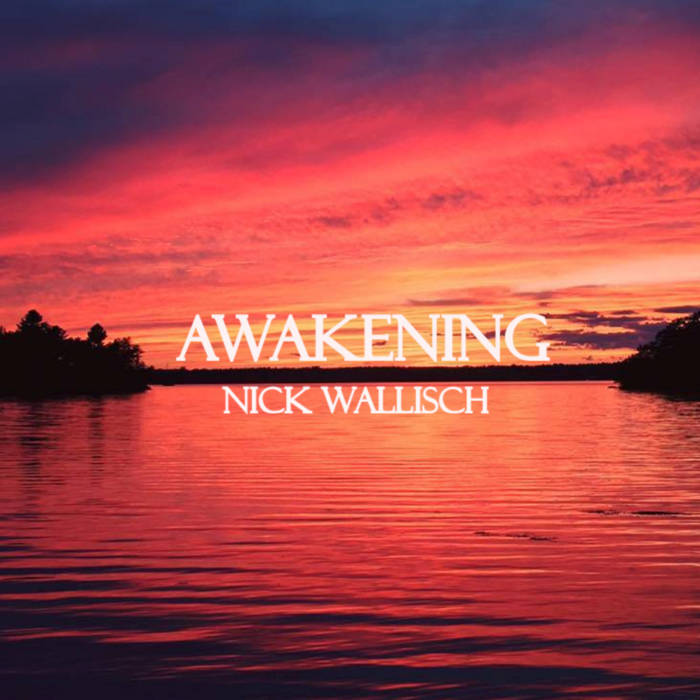
Hailing from central Texas, Nick Wallisch has been a musician in the Austin area for over twenty-five years. He recently released Awakening. Wallisch mentions: “The album is ‘rock’ generally, but I try to stretch into as many forms of it as possible, from pop to prog to Latin to funk to jazz to reggae to hard rock. People have compared my voice to Peter Gabriel, Colin Hay, and John Hiatt. My two personal musical heroes are Frank Zappa and Stevie Wonder, so I bring a lot of influences from them as well.” I picked up on the Zappa influence right away as there are lots of transitions that feel sort of surprising.
“Awakening” is up first and I thought this was going to be an ambient song. It at least starts off that way with improvisational jazz in there as well. The song becomes rhythmic and there are absolute blasts of notes running up a scale. I would say the technical prowess was very impressive. Suffice it to say this is song with changes I was not expecting that got my attention. “Nothing” contains vocals and is more Pink Floyd inspired to my ears. There’s a good amount of atmosphere and big reverbs which support these lead guitar parts. “Migration Time” is more or less prog rock with some of that Steve Wonder influence. It works well together. “Waltz of the Sailor” is a warm ballad. I actually thought he sounded a little like Cat Stevens on this song. I was picking up on Black Sabbath vibes on “Oblivious” while “Always” had a ’70s funk flavor. “Otherwhere” is a solid prog song as well. “Kicking and Screaming” is a sweet warm ballad that sounded like something I might hear at a Las Vegas show. One of the highlights was “Grasshopper Terms” which mixed elements of Bossa nova and prog. It felt like a different style from the other songs but I enjoyed it quite a bit. Wallisch's experience shows itself all over this album. The parts are creative but also undeniably very technical. I think fans of the aforementioned bands will appreciate this. |


Company |
|
© Pitch Perfect 2026. ALL RIGHTS RESERVED.